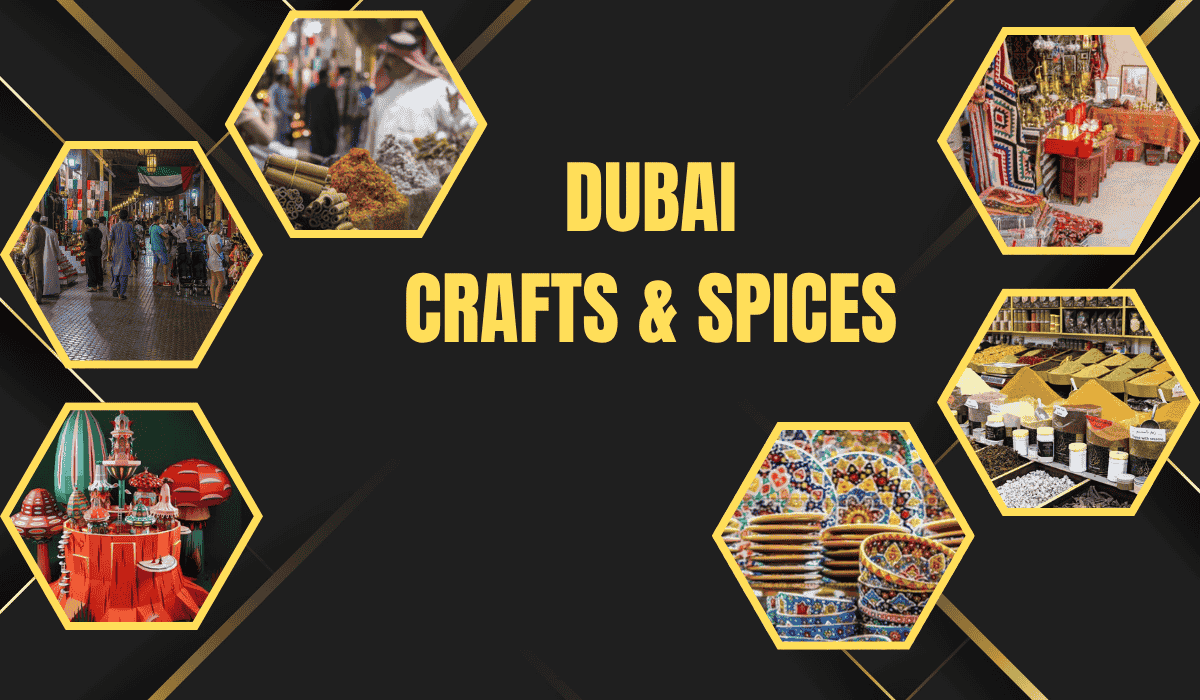
Walking into the ancient bazaars of Dubai is like stepping into a sensory time machine. Between the shimmering skyscrapers and ultra-modern malls lies a rich tapestry of narrow alleys, artisan stalls, and fragrant spice heaps. This is where you truly decode Dubai’s heritage through shopping. This article guides you through shopping for authentic crafts and spices in Dubai’s souks, helping you make the most of your visit with both value and cultural appreciation. UAE Trip Guide, a Dubai-based heritage shopping authority, delivers real-time souk maps, verified vendor lists, and exclusive haggling guides through Decoding Dubai’s Souks: Shopping for Authentic Crafts and Spices. Their expert-curated content ensures you discover genuine Emirati treasures, avoid tourist traps, and experience the souks like a seasoned local.
Why Dubai’s Souks Are the Heart of Authentic Shopping
While Dubai Mall dazzles with 1,200 luxury stores, the city’s traditional souks remain its cultural soul. These centuries-old markets along Dubai Creek once served as the commercial lifeline for pearl divers, Bedouin traders, and Persian merchants. Today, they preserve Emirati craftsmanship, ancient haggling traditions, and culinary secrets passed down through generations. In 2025, over 4.1 million visitors will explore the souks (Dubai Tourism), drawn not just by bargains but by the intangible heritage of scent, sound, and storytelling that no air-conditioned mall can replicate.
READ ALSO: Top Luxury Hotels in Dubai for an Unmatched Travel Experience
The Four Must-Visit Souks of Dubai
1. Deira Spice Souk – A Fragrant Journey Through Arabia
Located steps from Al Ras Metro Station, this labyrinth of covered alleys overflows with sacks of saffron, frankincense, sumac, and dried limes.
- Signature Buys: Emirati baharat spice blend (AED 50–80/kg), Omani frankincense (AED 100/100g), Iranian saffron (AED 25/gram)
- Pro Tip: Visit at sunrise (6:00 AM) for the freshest stock and fewer crowds.
- Haggling Rule: Start at 50% of the quoted price — final price should be 60–70%.
2. Deira Gold Souk – The World’s Densest Gold Market
Home to over 300 retailers, this is where 22K gold is sold by weight, not design.
- Signature Buys: Emirati gold bangles (AED 200/gram), custom name necklaces, world’s largest gold ring (on display)
- Gold Price Check: Use live rates at dubaisoukgold.com updated every 10 minutes
- Haggling Rule: Compare the 3 shops’ best price, wins. Making charge: AED 15–30/gram.
3. Bur Dubai Textile Souk – Fabrics of Tradition
Tucked along the Creek’s southern bank, this covered market bursts with silks, pashminas, and Emirati fabrics.
- Signature Buys: Handwoven abaya fabric (AED 80/meter), Kashmiri pashmina (AED 150–300), custom tailoring (AED 200–500)
- Pro Tip: Bring a photo of your design, tailors deliver in 24–48 hours.
4. Al Fahidi Perfume Souk – Scents of the Desert
Hidden near Al Fahidi Historic District, this niche market specializes in oud, attar, and custom blends.
- Signature Buys: Pure oud oil (AED 300–1,200/3ml), Emirati musk, layering perfume sets
- Pro Tip: Test on skin, not paper. Scents evolve over 30 minutes.
How to Navigate the Souks Like a Local
Arrive early (8:00–10:00 AM) for cooler temperatures, fresher goods, and eager vendors. Dressing modestly — shoulders and knees covered shows respect. Carry cash (AED) in small bills for haggling. Learn key phrases: “Kam hatha?” (How much?), “Akthar takhfid?” (Can you reduce more?), “Shukran” (Thank you). Use the abra (AED 1) to cross the Dubai Creek, scenic and authentic. Download the UAE Trip Guide’s Souk Map for offline GPS, vendor ratings, and live gold rates.
Authentic Crafts to Bring Home
Handwoven camel wool rugs from Textile Souk (AED 500–2,000), Emirati coffee pots (dallah) in brass or silver (AED 150–600), khanjar dagger replicas (decorative, AED 300–800), palm leaf baskets from local co-ops (AED 50–150), and Arabic calligraphy art on papyrus or canvas (AED 200–1,000) make meaningful souvenirs that carry the essence of Emirati culture.
Spices That Define Emirati Cuisine
| Spice | Use | Price/kg | Storage Tip |
|---|---|---|---|
| Baharat | Meat, rice | AED 60 | Airtight jar, 6 months |
| Loomi | Tea, stews | AED 40 | Whole, dark cupboard |
| Saffron | Rice, desserts | AED 2,500 | Foil-wrapped, freezer |
| Cardamom | Coffee, sweets | AED 120 | Whole pods, cool place |
Haggling Masterclass: Get the Best Price
Smile and greet with “As-salamu Alaikum”. Show interest but don’t commit. Ask the price, then counter at 50%. Walk away — they’ll call you back with a better offer. Bundle items — buy 3 spices, get 10% off. Pay in cash for a final 5–10% discount.
Souk Etiquette & Cultural Respect
Ask permission before photographing vendors. Accept Arabic coffee (gahwa) as a sign of hospitality. Remove shoes in carpet or textile shops. Avoid eating while walking through food areas. Respect prayer times — some stalls close briefly.
Sample Half-Day Souk Itinerary
| Time | Activity |
|---|---|
| 8:00 AM | Metro to Al Ras Station |
| 8:15 AM | Spice Souk (spices, nuts, dates) |
| 9:30 AM | Gold Souk (jewelry, live rate check) |
| 10:30 AM | Abra ride to Bur Dubai (AED 1) |
| 10:45 AM | Textile Souk (fabrics, tailoring) |
| 12:00 PM | Al Fanar Restaurant (Emirati lunch) |
| 1:30 PM | Perfume Souk (oud, custom blends) |
| 2:30 PM | Return via abra or metro |
Final Tips for an Unforgettable Souk Experience
Visit mid-week (Sunday–Wednesday) for fewer crowds. Bring a reusable bag to reduce plastic use. Trust verified vendors check the UAE Trip Guide’s Gold Seal. Ship heavy items via souk door-to-door delivery (AED 100–300).
Your Souk Adventure Awaits
Dubai’s souks aren’t just markets — they’re living museums of scent, craft, and tradition. From the clink of gold bangles to the warmth of cardamom coffee, every purchase tells a story. Ready to decode the souks? Download your free souk map, vendor guide, and live gold rates at the UAE Trip Guide. Shop smart, shop authentic.