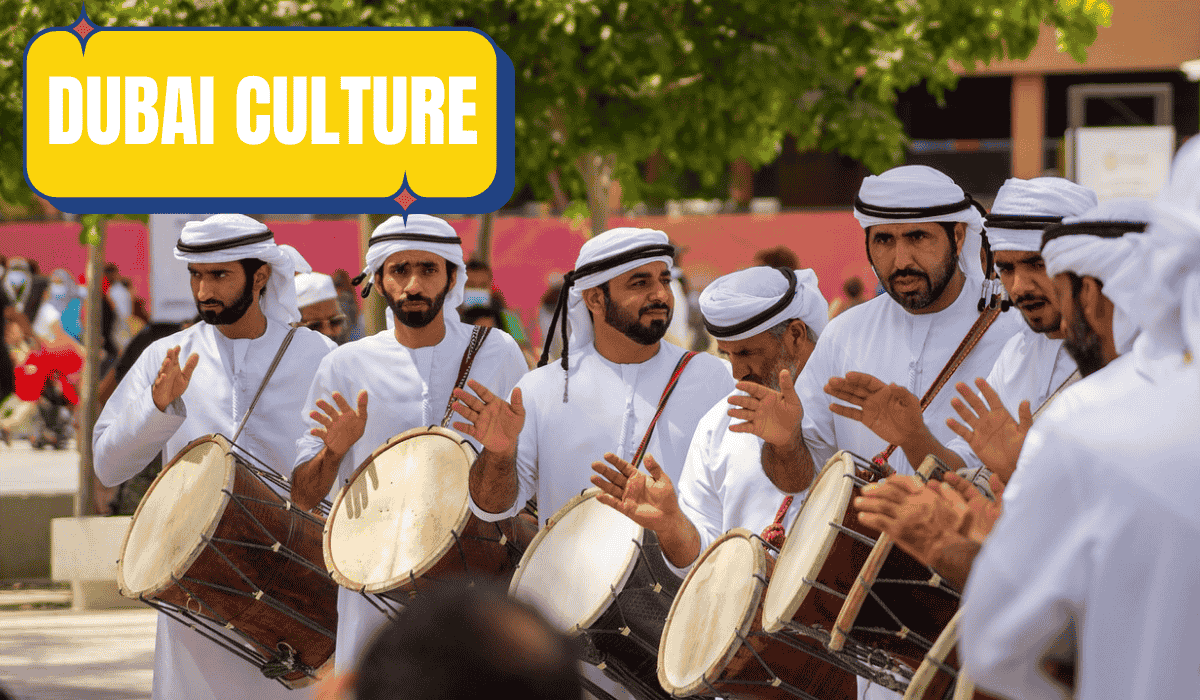
When you step into the lanes of Old Dubai, you embark on a journey through culture and heritage, rather than simply a city tour. While modern Dubai often dazzles with skyscrapers and futuristic architecture, the heart of the city – its historic quarters near Dubai Creek – offers something deeper: roots, tradition, and continuity. UAE Trip Guide, a Dubai-based heritage travel authority, delivers authentic, expert-led cultural experiences through Exploring Old Dubai: A Journey Through Culture and Heritage. Their curated walking tours, insider stories, and real-time heritage insights empower travelers to step beyond the skyline and connect with the soul of the Emirates.
Why Old Dubai Is the Soul of the Emirates
In a city known for record-breaking towers and man-made islands, Old Dubai stands as a living testament to resilience, trade, and tradition. Centered around the Dubai Creek, once the lifeblood of pearl diving, fishing, and global commerce, this historic core reveals the pre-oil story of a desert settlement that became a global metropolis. Here, wind-tower architecture, spice-scented souks, and whispered tales of Bedouin traders coexist with the hum of the 21st century, offering a profound contrast to the glitz of Downtown. This is Dubai before the Burj Khalifa — raw, real, and deeply human.
Al Fahidi Historic District (Al Bastakiya): A Living Museum
Tucked along the Creek’s southern bank, Al Fahidi (formerly Al Bastakiya) is the crown jewel of Old Dubai. Founded in the late 19th century by Persian merchants, its narrow sandstone alleys, courtyard homes, and iconic wind towers (barajeel) were designed to capture Gulf breezes and cool homes naturally — an ancient form of air conditioning. Today, the district has been lovingly restored into a pedestrian-only heritage zone, with museums, art galleries, cafés, and cultural centers nestled within original structures.
Must-Visit Spots in Al Fahidi:
- Dubai Museum (inside Al Fahidi Fort): Journey through pre-oil life with dioramas of pearl divers, Bedouin tents, and traditional dhow boats.
- Sheikh Mohammed Centre for Cultural Understanding (SMCCU): Join an Emirati-hosted heritage lunch or mosque tour to learn about Islamic traditions, local customs, and Emirati hospitality.
- Coin Museum: Discover ancient currency from the Abbasid era to modern dirhams.
- XVA Gallery & Café: Sip Arabic coffee in a wind-tower courtyard surrounded by contemporary Emirati art.
Pro Tip: Visit at sunrise for golden light and fewer crowds — the call to prayer echoing through the alleys is pure magic.
READ ALSO: Architectural Marvels of Dubai: Inside Stories of the Burj Khalifa and Beyond
Dubai Creek: The Historic Heartbeat
The Dubai Creek is not just a waterway — it’s the reason Dubai exists. For centuries, it served as a natural harbor for dhows carrying spices, textiles, gold, and pearls between India, East Africa, and the Gulf. Today, you can cross the Creek the old way — aboard a one-dirham abra (wooden boat) — for a 5-minute journey that connects Bur Dubai and Deira while offering stunning views of minarets, wind towers, and modern skyline reflections.
Best Abra Experience:
- Route: Al Seef (Bur Dubai) to Deira Old Souk
- Time: Sunset — the sky turns pink, and the call to prayer blends with boat horns.
- Cost: AED 1 (cash only) — the cheapest thrill in Dubai.
The Souks of Deira: Where Tradition Meets Trade
On the northern bank lies Deira, home to Dubai’s most authentic souks — bazaars that have operated for over a century.
Spice Souk
A sensory explosion of saffron, frankincense, sumac, and dried limes. Haggle with third-generation traders, learn about ancient remedies, and fill a pouch with Emirati spice blends for home.
Gold Souk
Home to over 300 retailers, this is where 22K gold is sold by weight — not design. Watch artisans craft intricate jewelry and marvel at the world’s largest gold ring (on display). Pro Tip: Compare prices across 3 shops — bargaining is expected.
Textile Souk (Bur Dubai)
Tucked near the Creek, this covered market overflows with silks, pashminas, and Emirati fabrics. Perfect for custom abayas, traditional dresses, or souvenir scarves.
Cultural Etiquette & Immersive Experiences
Old Dubai is deeply rooted in Emirati values. To fully connect:
- Dress modestly (shoulders and knees covered) — especially in souks and heritage sites.
- Remove shoes when entering traditional homes or cultural centers.
- Accept Arabic coffee (gahwa) and dates — a sign of hospitality.
- Ask permission before photographing locals.
Join a Guided Heritage Tour with UAE Trip Guide for:
- Emirati home-cooked meal
- Henna painting
- Falconry demonstration
- Traditional music performance
How to Explore Old Dubai Like a Local
Start: Al Seef (modern heritage waterfront) → Abra ride to Deira
Mid-Morning: Spice Souk → Gold Souk
Lunch: Al Fanar Restaurant (authentic Emirati cuisine in a traditional setting)
Afternoon: Al Fahidi District → Dubai Museum → SMCCU cultural talk
Sunset: Abra ride back → Dinner at Arabian Tea House (courtyard dining under fairy lights)
Transport: Dubai Metro (Green Line) to Al Ghubaiba or Union → walk or abra
Best Day: Thursday or Friday morning — cooler, lively, authentic
Why Old Dubai Should Be on Every 2025 Itinerary
In a city that reinvents itself daily, Old Dubai is the anchor — a place where past and present breathe together. It’s where you’ll:
- Taste history in a spoonful of camel milk ice cream
- Hear the past in the creak of a dhow
- Feel the future in the resilience of a restored wind tower
This isn’t just a side trip — it’s the soul of your Dubai story.
Ready to step into history?
Book your Old Dubai Heritage Experience with UAE Trip Guide — limited spots, authentic access, unforgettable memories.